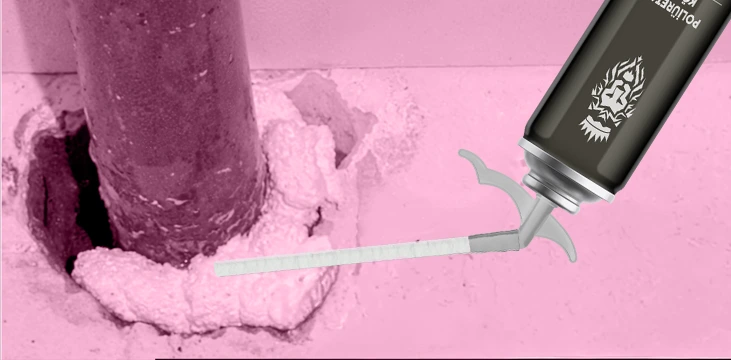
Safety Precautions When Using Polyurethane Foam
Polyurethane foam is a widely used material in construction, assembly, and insulation. However, because it is a chemical product, it can pose risks to the skin, eyes, and respiratory system if not used correctly. Therefore, paying attention to safety precautions during application is very important. In this article, we will discuss in detail the safety precautions, protective equipment, and application tips that should be taken when using polyurethane foam.
1. Use of Protective Equipment
Personal protective equipment must be used during foam application. Unhardened foam is difficult to clean if it comes into contact with the skin and can cause allergic reactions.
- Gloves: Use chemical-resistant gloves.
- Goggles: Provide protection against foam splashes.
- Masks: Important for protecting the respiratory tract, especially in enclosed spaces.
- Long-sleeved clothing: Choose this to protect your arms and legs.
2. Preparation of the Application Area
Ensuring the area where you will apply the foam is safe and clean is just as important for safety as it is for performance.
- Ventilate the area. Ensuring adequate air circulation in enclosed spaces prevents the accumulation of chemical gases.
- Keep away from flammable or explosive materials.
- Lay down a sheet or newspaper to protect the ground and surrounding area.
3. Correct Application Techniques
Correct techniques are essential for the safe and effective application of polyurethane foam.
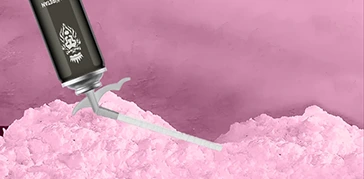
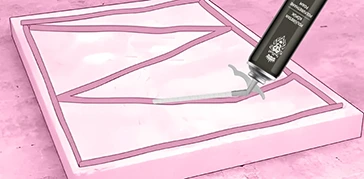
- Apply the foam carefully and precisely, taking expansion into account.
- Using a foam gun allows for a more controlled and cleaner application.
- Allow time for curing between layers.
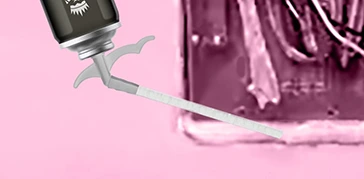
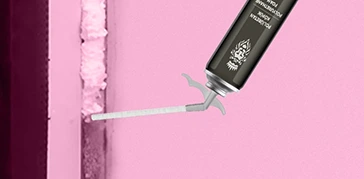
- For confined spaces, opt for foam dispensers with straws to prevent overflow.
4. Do not tamper with the unhardened foam.
Contact with unhardened foam is risky. Therefore, the foam should not be disturbed during application, and any excess foam should be cleaned up immediately.
- Immediately wipe away any foam that comes into contact with your skin using a suitable cleanser.
- In case of contact with eyes or inhalation, rinse thoroughly with plenty of water and seek medical attention if necessary.
5. Storage and Waste Management
Foam boxes must be stored properly and waste management must be ensured.
- The box should be kept away from direct sunlight and high temperatures.
- Damaged or broken boxes should not be used.
- Hardened foam waste must be disposed of in an environmentally friendly way that prevents recycling.
6. Emergency Measures
It is necessary to be prepared for possible accidents during the application.
- If the foam comes into contact with your skin, use a suitable hand sanitizer.
- In case of eye contact, rinse thoroughly with water and seek medical attention.
- If chemical vapors accumulate in enclosed spaces, ventilate the area immediately and leave the area if necessary.
Conclusion
When using polyurethane foam, safety precautions are critical for both user health and application efficiency. With the right equipment, appropriate application techniques, and attention to environmental conditions, the foam provides a safe, effective, and long-lasting solution. Small precautions make a big difference.
The information in this text may vary from time to time depending on the manufacturer. Always check the product label.