Can polyurethane foam be used on old surfaces?
Polyurethane foam is a widely used material in construction and assembly for gap filling, mounting, and insulation. But is it possible to use it on old surfaces? In this article, we will discuss in detail the points to consider, surface preparation, and application techniques to improve the performance of polyurethane foam on old or used surfaces.
1. The Importance of Using It on Old Surfaces
Old surfaces can become covered over time with dust, dirt, paint residue, or moisture buildup. Applying foam directly to such surfaces can negatively affect its adhesion and expansion. Therefore, preparation is essential for a successful application.
2. Surface Preparation
For polyurethane foam to adhere well to old surfaces, surface preparation is crucial. Here are the step-by-step preparation methods:
- Cleaning: Remove dust, dirt, and loose particles with a brush or vacuum.
- Oil and Paint Residue: Remove oil and old paint residue from the surface using appropriate cleaners.
- Moisture Control: A dry surface is essential for foam adhesion and hardening. Slight moistening can, in some cases, promote expansion.
- Smooth Surfaces: For very glossy or very slippery surfaces, lightly sand to ensure the foam adheres.
3. Application Techniques
There are certain techniques to consider when applying foam to old surfaces:
- Apply the foam sparingly and avoid using too much.
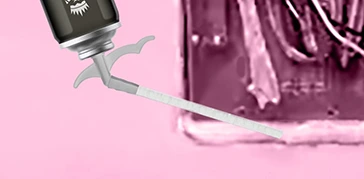
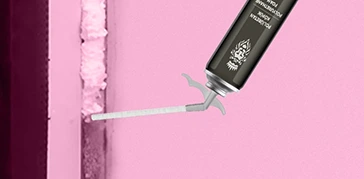
- For narrow spaces, use a pipette; for wider areas, use a spray gun.
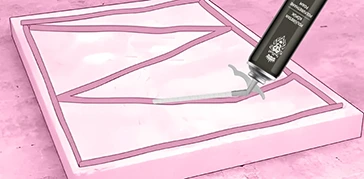
- Apply it in layers to prevent overflow and gaps.
- Pay attention to the duration of the erection and do not interfere.
4. Preventing Adhesion Problems
Adhesion problems can sometimes occur on old surfaces. To prevent this problem:
- Clean the surface and roughen it slightly.
- Use primers or special foam adhesives if necessary (with appropriate products).
- Immediately wipe away any excess foam after application.
5. Insulation Performance on Old Surfaces
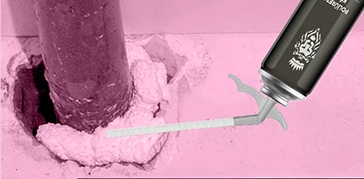
With proper preparation and application, polyurethane foam can provide high insulation performance even on old surfaces. Gaps must be completely filled, and expansion allowance must be taken into account. This ensures both thermal and acoustic insulation.
6. Final Checks and Touch-Ups
After application, inspect the surface. Remove any excess or spilled foam, ensuring the filler completely covers the gap. This step is important for both aesthetic and functional reasons.
Conclusion
Polyurethane foam can be effectively used on old surfaces with the right preparation and application techniques. Cleaning, moisture control, and layered application improve the foam's performance and provide long-lasting insulation. Thus, you can achieve a safe, aesthetically pleasing, and durable solution even on old surfaces.
The information in this text may vary from time to time depending on the manufacturer. Always check the product label.