Void Filling Techniques with Polyurethane Foam
Polyurethane foam is one of the most preferred materials in the construction industry for gap filling and insulation. It is highly effective not only for assembly and filling purposes but also for providing heat and sound insulation. If the correct techniques are not used, the foam may overflow, insufficient filling may occur, or gaps may not be completely sealed. This guide details the correct filling techniques with polyurethane foam for different surface and gap types.
Choosing the Right Foam for Gap Filling Applications
The type of foam used in gap filling applications is crucial. Foams with different properties are more suitable for each gap width and surface type. For example, high-expansion foam is preferred for wide and deep gaps, while low-expansion foam is preferred for delicate assemblies.
- Low Expansion Foam: Prevents deformation in delicate gaps during window and door installations.
- High Expansion Foam: Quickly and effectively fills large gaps and cracks.
- Elastic or Fire-Resistant Foam: Suitable for areas exposed to heat or regions requiring safety.
Surface Preparation Before Gap Filling
Surface preparation is essential for optimal foam performance. A clean and dry surface ensures better adhesion and expansion of the foam, and also prevents spills during application.
- Dust, oil, and loose particles must be removed from the surface.
- If necessary, the surface can be slightly moistened; this will increase the expansion of the foam.
- Using supports or wedges in large gaps prevents the foam from overflowing.
Application Techniques According to Different Cavity Types
1. Wall Openings
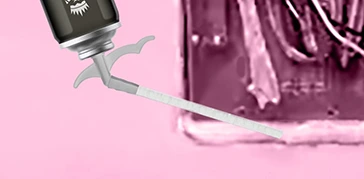
Gaps in walls generally need to be filled for insulation and durability reasons. The most effective method for filling such gaps is to use a foam gun for controlled application.
- Squeeze the foam towards the center of the gap, then allow it to expand.
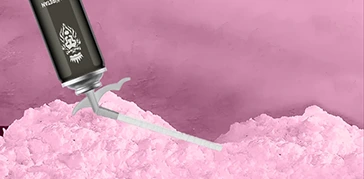
- You can apply the treatment in two stages for large spaces.
- Excess foam can be sanded or cut away after it has hardened.
2. Window and Door Installation Openings
Gap filling in door and window installations is critical for both durability and insulation. Low-expansion foam should be preferred here; otherwise, deformation may occur in the frame.
- Apply an equal amount of foam to both sides of the case.
- Foam should not be applied before the frame is secured.
- Check the alignment of the case during expansion.
3. Plumbing and Pipe Perforation Spaces
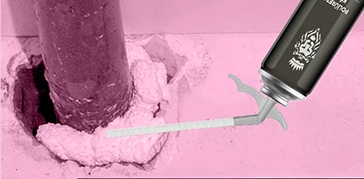
Foam is very effective for both filling gaps and providing insulation in pipe and cable penetrations.
- Apply the foam evenly around the pipe.
- If the gap is very large, apply in multiple layers.
- Ensure the foam covers the entire gap for sealing and insulation.
4. Roof and Ceiling Spaces
Filling voids in roofs and ceilings is important both to prevent heat loss and to provide sound insulation.
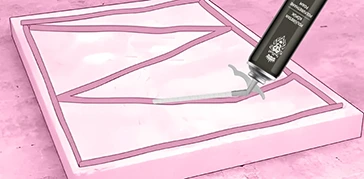
- Fill the gaps between wooden beams or roofing sheets with foam.
- In large areas, opt for using a firearm.
- Apply the foam by calculating its expansion allowance.
Things to Consider When Filling in the Blanks
- Do not use too much foam; consider expansion allowance.
- The box and gun should be cleaned before and after use.
- Avoid application in low temperature and dry environments.
- Do not interfere with the foam before the curing time is complete.
- Ensure that the gaps are filled evenly during application.
Professional Tips
- Use a pipette for shallow areas and a spray gun for wider spaces.
- Apply the foam in layers to prevent spills.
- Calculate the expansion time of the foam when filling the gap.
- Remove any excess foam after application and smooth the surface.
Conclusion
Polyurethane foam gap filling, when used with the correct techniques, provides both durable and aesthetically pleasing results. Careful surface preparation, selection of the right foam, and attention to application steps ensure optimal performance in assembly, filling, and insulation processes. This results in energy savings and extends the lifespan of the structure.
The information in this text may vary from time to time depending on the manufacturer. Always check the product label.