Polyurethane Foam Banner
Excellent Adhesion

Excellent Adhesion

Polyurethane foam adheres strongly and permanently to various building surfaces. Its low permeability creates secure bonds in gaps and cracks, providing long-lasting results in assembly and insulation applications.

Ozone Safe

Ozone Safe

When the formulations are correctly chosen, their environmental impact is minimized; appropriately cured polyurethane foams do not harm the ozone layer and ensure environmental compatibility with solutions containing low volatile organic compounds.

Easy to Use

Easy to Use

Polyurethane foam is applied quickly and precisely using a spray gun or tube; thanks to the foam's controlled expansion and curing properties, filling, insulation, and assembly work is completed quickly and practically.
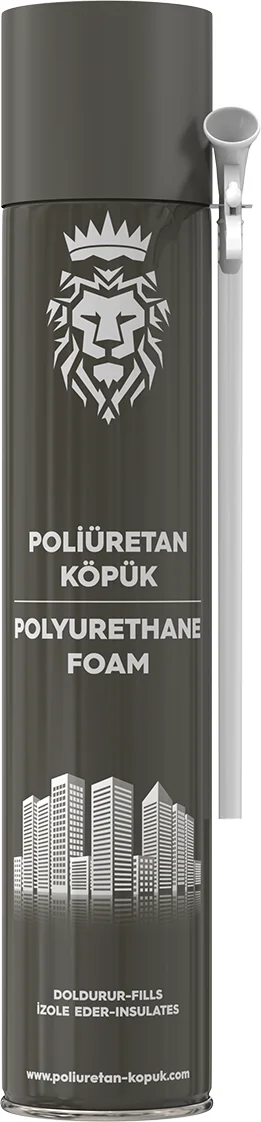
Polyurethane Foam
Polyurethane Foam

Polyurethane Foam


What is polyurethane foam?

Polyurethane foam is a special building material formed by the chemical reaction of polyol and isocyanate components, causing it to expand and adhere tightly to the surface to which it is applied. It is liquid upon application but foams and hardens over time, forming a durable, gap-filling insulation layer. It is an ideal solution for homes, offices, or industrial buildings—especially in hard-to-reach spaces, roofs, attics, and irregular areas like curtain walls.


Polyurethane Foam Properties

  • High thermal insulation: Thanks to its closed-cell structure, the thermal conductivity coefficient is very low; this minimizes heat losses.
  • Excellent adhesion: Provides strong adhesion to many surfaces such as wood, concrete, brick, metal, and drywall — it adheres firmly to the surface it is applied to.
  • Sound and moisture insulation: Thanks to its porous structure, it largely blocks sound and water vapor; the risk of mold, mildew, and pests is low.
  • Seamless, monolithic application: Because it is applied by spraying in liquid form, there are no joints — this prevents heat/sound leakage.
  • Quick and practical installation: Easy to apply even on complex or irregular surfaces; saves time and labor.
  • Durable construction: Once cured, it does not rot, collapse, or deform, providing long-lasting insulation.

Applications of Polyurethane Foam

  1. Roof and ceiling insulation:
    It provides heat and sound insulation in attic spaces, under ceilings, and on pitched roofs. It can be applied in a single application, even in hard-to-reach areas.
  2. Exterior facade and wall cavities:
    Curtain walls eliminate the risk of thermal bridging in structures such as column-beam gaps and wall cores.
  3. Door and window installation & joint filling:
    Ideal for filling and sealing gaps between the frame and the wall; prevents both heat and air leakage.
  4. Basement, floor and floor insulation:
    It can be used underground, in basement walls or under flooring — providing protection against moisture and cold ground.
  5. Cold storage facilities, industrial buildings & outdoor structures:
    It is suitable for rapid insulation of large spaces such as warehouses, ceilings, and roofs, providing sound, heat, and moisture protection.

Polyurethane Foam Application Tips

  • Before application, ensure the surface is clean, dry, and free of dust. Oil or dirt will weaken adhesion.
  • Foam reacts with moisture; slightly moistening the surface before application increases expansion and adhesion.
  • Avoid applying too thick layers. Spraying in thin layers and allowing curing between layers is important for achieving a more homogeneous and stable structure.
  • Do not step on or put weight on the foam until it is completely dry and hardened — this time varies depending on the product type.
  • If excess foam remains after application, it can be trimmed and smoothed after curing; the surface can then be painted or coated.

Polyurethane Foam Color Options

Light Yellow

Polyurethane Foam Logistics Information

Product Name
Contents
Package
Quantity per box
Number of Pallets
Polyurethane Foam
600 gr
Aerosol teneke
12
1200

company advertisement company advertisement

Have your company advertisement placed here.


If you would like to advertise, please contact us.
Polyurethane Foam Blog


Poliüretan Köpük Yapıştırma Kapasitesi ve Taşıma Gücü

Polyurethane Foam Bonding Capacity and Load-Bearing Strength

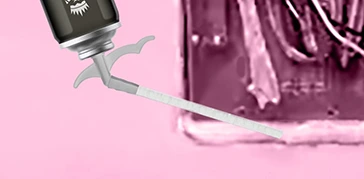
Polyurethane foam is a versatile material used in construction and assembly for both gap filling and bonding purposes. However, the foam's durability and load-bearing capacity vary depending on the ap...
Read more
Poliüretan Köpük Eski Yüzeylerde Kullanılır mı?

Can polyurethane foam be used on old surfaces?

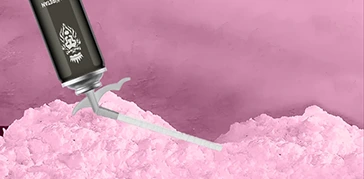
Polyurethane foam is a widely used material in construction and assembly for gap filling, mounting, and insulation. But is it possible to use it on old surfaces? In this article, we will discuss in de...
Read more
Poliüretan Köpük ile Profesyonel Uygulama İpuçları

Professional Application Tips for Polyurethane Foam

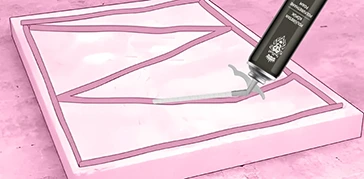
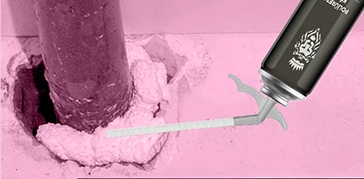
Polyurethane foam is a highly effective material for gap filling, assembly, and insulation. However, to fully utilize its potential, it's essential to know the correct application techniques. Professi...
Read more
Poliüretan Köpük Kullanımında Güvenlik Önlemleri

Safety Precautions When Using Polyurethane Foam

Polyurethane foam is a widely used material in construction, assembly, and insulation. However, because it is a chemical product, it can pose risks to the skin, eyes, and respiratory system if not use...
Read more
Poliüretan Köpük Ne Kadar Sürede Kurur?

How long does polyurethane foam take to dry?

Polyurethane foam is one of the most commonly used materials in construction and assembly for gap filling, insulation, and mounting purposes. However, knowing the drying and curing time of the foam is...
Read more
Poliüretan Köpük Yalıtım Performansı Nasıl Artırılır?

How to Improve Polyurethane Foam Insulation Performance?

Polyurethane foam is one of the most preferred materials for gap filling and insulation in modern construction and assembly work. However, if not applied correctly, the insulation performance of the f...

Read more

Frequently Asked Questions

We've answered your frequently asked questions about polyurethane foam.


After cleaning the surface to be treated, the foam is carefully squeezed into the gaps using a gun or tube. Since the foam expands within a few minutes, application should be done precisely. After curing, it can be cut and shaped as desired.

Once the foam has fully hardened, it can be colored with water-based or suitable paints. Painting improves the surface aesthetically and provides additional protection against environmental factors.

Polyurethane foam is primarily resistant to moisture, but extra protection is needed in areas that will be in direct contact with water. When covered after application, it provides longer-lasting performance against external factors.

The surface drying of the foam usually occurs quickly. The full curing time varies depending on ambient conditions. Once fully cured, the foam can be cut, sanded, and treated with various coating materials.

Polyurethane foam is frequently used in door and window installation, gap filling, crack sealing, and areas requiring heat and sound insulation. It offers a practical and durable solution for both construction projects and minor repair work.
Polyurethane Foam Frequently Asked Questions Polyurethane Foam Frequently Asked Questions