Advantages and Disadvantages of Polyurethane Foam
Polyurethane foam is one of the most commonly used materials in modern construction and assembly work. It is preferred in both professional applications and individual use. However, like any material, polyurethane foam has its advantages and disadvantages. In this article, we will discuss the strengths and weaknesses of the foam in detail.
Advantages of Polyurethane Foam
1. High Adhesion Strength
Polyurethane foam adheres strongly to many surfaces, including wood, concrete, metal, PVC, and ceramics. This is a major advantage, especially in door and window installation, filling, and insulation applications.
2. Provides Excellent Insulation
Foam provides both heat and sound insulation by completely filling the gaps. It is an ideal material for saving energy by reducing heat loss. It is also an effective solution for noise insulation.
3. Ease of Implementation
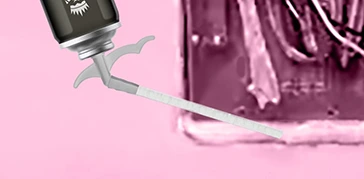
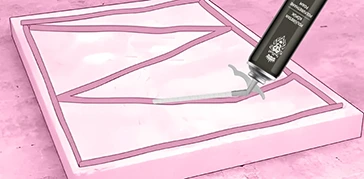
Polyurethane foam can be applied using a spray gun or a nozzle. It has a short application time and rapid expansion and hardening processes. This reduces labor costs and shortens assembly times.
4. Gap Filling Capacity
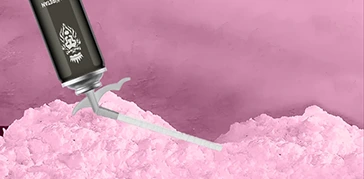
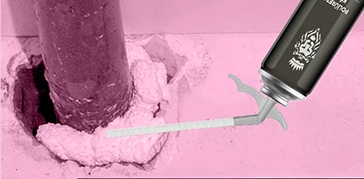
Foam expands evenly in narrow or wide spaces, completely filling the gaps. This provides both structural integrity during installation and effective insulation.
5. Lightweight and Durable
Polyurethane foam is a lightweight material but exhibits high strength when hardened. This is a significant advantage, especially in load-bearing applications.
Disadvantages of Polyurethane Foam
1. Risk of Overflow
Due to the expansion properties of foam, overflow can occur if it is squeezed out too much. This is both aesthetically unappealing and requires the removal of excess foam.
2. The Requirement for Correct Implementation
Incorrect application can create a risk of insufficient filling or deformation. A dirty or unclean surface, low temperatures, or a dry environment will negatively affect the foam's performance.
3. Chemical Composition
Polyurethane foam is a chemical material, and the use of gloves, a mask, and goggles is recommended during application. Unhardened foam can be difficult to clean if it comes into contact with the skin.
4. Erection Time
The foam needs a certain amount of time to reach its full strength after application. If intervention occurs before hardening is complete, deformation or inadequate filling may result.
5. Recycling and Waste Problems
Polyurethane foam is a material that is difficult to recycle once it hardens. Excess foam or spills are considered waste, and their environmental impact must be taken into account.
Balance of Advantages and Disadvantages
While polyurethane foam is a strong material in construction and assembly work due to its advantages, it is crucial to be aware of its disadvantages and take precautions during application. Proper surface preparation, appropriate foam selection, and controlled application minimize the impact of these disadvantages and ensure long-lasting results.
Conclusion
Polyurethane foam is indispensable in the modern construction and assembly sector thanks to its high adhesive strength, excellent insulation, ease of application, and durability. Its disadvantages, however, can be easily managed with careful and informed application. Therefore, both professionals and individual users can maximize its advantages, ensuring safe and effective use.
The information in this text may vary from time to time depending on the manufacturer. Always check the product label.