On which surfaces is polyurethane foam used?
Polyurethane foam is one of the most widely used filling and insulation materials in the construction industry. Its strong adhesion and expansion properties on various surfaces ensure high performance in assembly and filling applications. However, each surface has its own unique structure and requirements. Therefore, knowing which surfaces polyurethane foam should be used on is crucial for the durability and longevity of the application.
For use on wooden surfaces.
Polyurethane foam is used on wooden surfaces, especially in filling and assembly applications. It is highly effective in processes such as frames, panel joints, and door and window installation.
- It fills the gaps, providing a strong grip.
- It adapts to the flexible structure of wood.
- Low-expansion foams are preferred for delicate assembly applications.
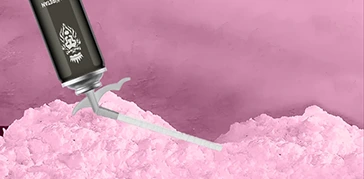
For use on concrete and brick surfaces.
Polyurethane foam provides high adhesion even on porous and rigid surfaces. It is particularly used in wall voids, panel gaps, and crack filling applications.
- It seals gaps at the junctions of walls and floors.
- It provides sound and heat insulation.
- High-expansion foams are ideal for large spaces.
For Use on Metal Surfaces
The use of foam on metal surfaces should be more controlled. It is especially preferred for door and window frames or construction elements.
- The surface must be cleaned beforehand (oil and rust removed).
- Gun-based applications yield more controlled results.
- Low-expansion foams prevent metal deformation.
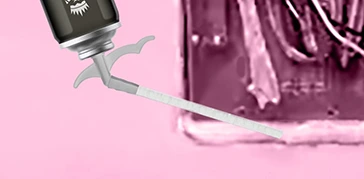
For use on PVC and plastic surfaces.
Foam is commonly used on PVC and plastic surfaces, especially in window and door installations. It provides a strong bond with the surface, fills gaps, and offers insulation.
- The surface must be clean and dry.
- Low-expansion and elastic foams are preferred.
- Surface deformation is prevented through controlled application.
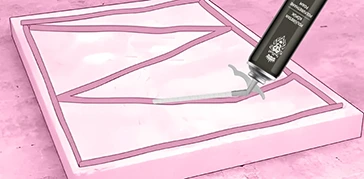
For use on ceramic and tile surfaces.
Polyurethane foam has limited use on ceramic and tile surfaces. It is generally suitable for filling and edge gaps.
- It should not be used directly on large surfaces.
- It is sufficient to fill small gaps.
- The bonding surface must be clean and dry.
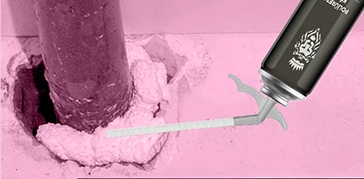
For Use on Roof and Ceiling Surfaces
Foam is used in roofs and ceilings for gap filling and insulation purposes. It is particularly suitable for spaces between wooden beams, roof coverings, and cracks.
- It provides insulation and soundproofing.
- It fills gaps quickly and effectively.
- Its rapid curing property shortens the application time.
Points to Consider During Assembly and Filling Operations
- Surfaces must be free of dust, oil, and loose materials.
- The width of the gaps should be adjusted according to the type of foam.
- The foam should be allowed to expand after application, and no intervention should be made until it has fully hardened.
- Application should not be done at low temperatures.
- Overflows should be prevented through controlled application.
Conclusion
Polyurethane foam can be safely used on wood, concrete, brick, metal, PVC, ceramic, and ceiling/roof surfaces. Selecting the appropriate foam for each surface type, along with correct application and surface preparation, ensures both durability and longevity. Therefore, conducting a surface analysis before application and paying attention to the foam's expansion properties is critically important.
The information in this text may vary from time to time depending on the manufacturer. Always check the product label.