Assembly and Filling Processes with Polyurethane Foam
Polyurethane foam is one of the most commonly used building materials for assembly and filling applications. Thanks to its strong adhesive properties and its ability to expand and fill gaps, it offers a practical and durable solution. It delivers successful results in many areas, from door and window installation to sealing wall voids, filling plumbing penetrations, and insulation work. This guide covers how to perform assembly and filling operations with polyurethane foam, what to pay attention to, and professional application tips from start to finish.
Why is polyurethane foam preferred in assembly processes?
In assembly applications, choosing the right materials is crucial for both the durability and visual quality of the work. Polyurethane foam, with its strong adhesion to the surface and ability to spread over large areas, has become an indispensable solution in the assembly sector.
- It completely fills the gaps, providing a secure mounting support.
- It contributes to sound and heat insulation.
- It is applied quickly and hardens in a short time.
- It adheres well to many surfaces, including wood, concrete, brick, metal, and PVC.
- The surface can be sanded or cut after assembly.
Types of Foam Suitable for Assembly Processes
For installation applications, foams with low or controlled expansion are generally preferred. These types of foams eliminate the risk of warping of door and window frames after installation. Additionally, foam guns are a top choice for installation professionals because they allow for precise dosage control.
How to Install with Polyurethane Foam?
The installation process is quite easy when the correct application steps are followed. The following steps will ensure a successful result in both door and window installation and at various joints.
1. Surface Preparation
A clean and dry surface directly affects the adhesion of the foam. Therefore, the application area must be free of dust, oil, and loose materials.
- If necessary, the surface can be slightly moistened. This allows the foam to expand better.
- If there is a very large gap on the surface, wedges or support materials can be used before applying the foam.
2. Applying the Foam
Foam can be applied using pipette or gun systems. In assembly applications, gun-applied foam provides more controlled results.
- Shake the can well before use.
- Squeeze the foam into the center of the gaps in a controlled manner.
- When installing doors or windows, the panels should be applied at evenly spaced intervals at specific points on the frame.
3. Expansion Phase
The foam will begin to expand after application. The door or window frame must be held steady during this expansion.
- Wedges or supports can be placed around the chassis.
- To prevent the case from bending, it is important to apply an equal amount of foam to every point during application.
4. Curing and Cleaning
Once the foam has fully hardened, any excess can be trimmed or sanded away. This process prepares the surface for installation.
- The curing time may vary depending on the ambient temperature.
- Excess foam should not be removed before it has fully hardened.
The Use of Polyurethane Foam in Filling Procedures
Filling applications are one of the most common uses of polyurethane foam. It provides successful results in wall cracks, plumbing voids, attics, panel joints, and many other places.
Fill in the Blanks
Foam is highly effective for filling gaps, whether large or small.
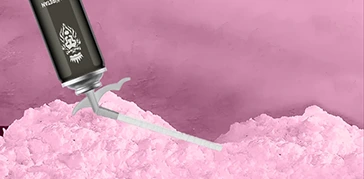
- High-expansion foams perform better in large voids.
- Low-expansion foams are used in delicate applications.
- If the gap is very large, a two-stage foam application may be necessary.
Pipeline Entrances
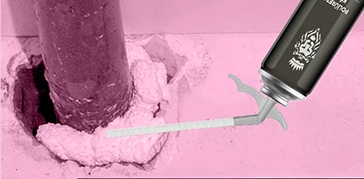
Polyurethane foam is preferred for both sealing and gap filling in pipe and cable penetrations.
- It prevents heat and sound loss.
- It fills the space around the pipe evenly.
- It offers a long-lasting solution because it does not crack over time.
Panel and Wall Connections
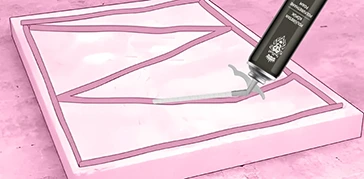
Polyurethane foam can be applied for both filling and insulation purposes at the junctions of containers, panel houses, wooden structures, and concrete walls.
- It seals the joints tightly.
- It prevents air leaks.
- It significantly reduces heat loss.
Points to Consider During Application
If foam installation and filling procedures are not performed correctly, problems that are difficult to correct later can occur. Therefore, it is important to pay attention to the following points.
- Do not squeeze the foam too much; account for expansion.
- Do not apply at very low temperatures.
- Shake the can frequently while it's in use.
- The foam should be cleaned off before it hardens.
- Supports should be used during window and door installation to prevent the frame from bending.
Professional Installation Tips
Experienced installers use some practical methods to work more efficiently with polyurethane foam. The following tips will improve your application quality.
- For foam guns, start the flow control at a low level.
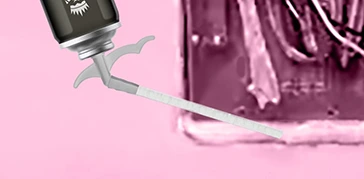
- For confined spaces, you can opt for using foam dispensers with straws.
- Where the gap is very large, fill the bottom first, then the top.
- Slightly moistening the surface will improve the adhesion of the foam.
- Do not overfill the container at once; a two-stage application is healthier.
Advantages of Installation with Polyurethane Foam
For both amateur and professional users, polyurethane foam offers many advantages in terms of practicality and durability.
- It's a fast application.
- It forms a strong bond with the surface.
- It provides effective results in heat and sound insulation.
- It has a high gap-filling capability.
- It can be cut and shaped after curing.
Conclusion
Polyurethane foam installation and filling processes, when applied with the correct techniques, yield highly durable and clean results. Proper analysis of the application area, selection of the appropriate foam type, and careful execution of the steps ensure successful results for both professionals and individual users.
The information in this text may vary from time to time depending on the manufacturer. Always check the product label.