Can polyurethane foam be used for waterproofing?
Polyurethane foam is a commonly used product in construction and repair work, and one of the most frequently asked questions is , "Can polyurethane foam be used for waterproofing?" This article covers all the details, including the foam's waterproofing properties, the areas where it can be used, and application tips. The information below is based on everyday usage experiences and industry-wide accepted technical approaches.
Does polyurethane foam allow water to pass through?
When used correctly, polyurethane foam provides a certain degree of water resistance. Due to its closed-cell structure, this foam can fill voids on the applied surface, limiting water ingress. However, it's important to note that polyurethane foam is not a completely professional waterproofing product.
Foam can offer water resistance, but it is not sufficient on its own in areas with constant water pressure. It is considered more of a supporting and auxiliary insulation material.
In what situations is it used for waterproofing?
Foam is generally preferred for waterproofing in the following scenarios:
- For filling gaps at roof edges and joints.
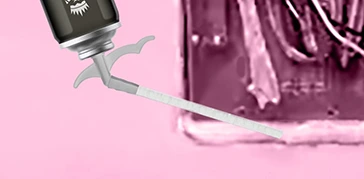
- To prevent rainwater leaks around windows and doors.
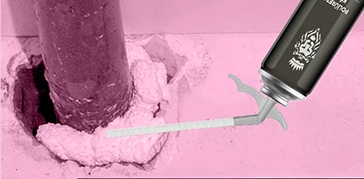
- To restrict water ingress at pipe entry points.
- For support applications in small voids on exterior facades.
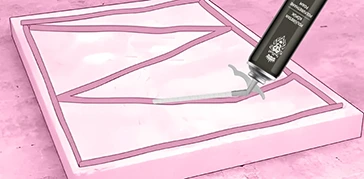
- To prevent air and water ingress at the joints of opposing surfaces.
In these areas, polyurethane foam can prevent both air and mild water leaks by filling surface voids. However, it is important to remember that it should not be used alone in areas with high-intensity waterlogging.
Where is its use not recommended?
Using foam in the following areas may not yield long-lasting results:
- Surfaces that remain constantly submerged
- Exterior insulation of basements
- Pool interior surfaces
- Exterior walls in contact with the ground.
- Horizontal roof surfaces exposed to heavy rain.
In such cases, professional waterproofing materials are necessary. Polyurethane foam only provides a temporary or辅助 solution.
How is polyurethane foam used in waterproofing?
There are several important steps to consider when waterproofing with foam:
1. Surface Cleaning
The surface must be free of dust, oil, or loose particles. Otherwise, the foam will not adhere properly to the surface, and gaps may form.
2. Pre-Application Humidity Check
Polyurethane foam accelerates the curing process upon contact with water, but the surface should be free of excessive water before application. Damp surfaces may be acceptable, but spraying on wet surfaces is not recommended.
3. Fill All the Blanks
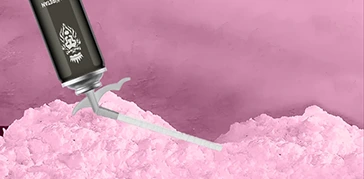
Because foam expands, it's best to apply it in several layers rather than trying to fill the entire gap at once.
4. Full Curing Time
The foam typically hardens on the surface within a few hours, but it may take longer to reach its full strength. It should not be covered before this process is complete.
5. Use of Top Coating
After application, the foam must be protected with a covering material . Sunlight and continuous water contact can weaken the foam's structure over time. The applied area should be covered with plaster, mastic, paint, or a suitable insulation material.
Advantages of Foam in Waterproofing
- It completely fills the gaps.
- It provides additional benefits for heat and sound insulation.
- It is quick to implement and a practical solution.
- It can significantly prevent rainwater leaks.
- It can be shaped immediately after application.
Disadvantages
- Its durability may decrease when submerged underwater for extended periods.
- It can deteriorate over time if exposed to UV rays.
- It is not a complete substitute for a professional waterproofing material.
Important Considerations When Using Foam for Waterproofing
- The surface to which the foam is applied must be properly coated.
- Multilayer application is required for extremely large voids.
- Using an additional insulation layer along with foam at joints and edges provides a more durable result.
- Areas with constant water flow should be supported with different products.
Conclusion: Can Foam Be Used for Waterproofing?
Polyurethane foam can contribute to a certain level of waterproofing. It is a particularly effective solution for reducing water ingress in areas such as doors, windows, roof joints, and pipe penetrations. However, it should not be considered a purely professional waterproofing product and should not be used alone in areas constantly exposed to water.
The information in this text may vary from time to time depending on the manufacturer. Always check the product label.