How to Apply Polyurethane Foam?
Polyurethane foam is a widely used material in construction and assembly work, providing gap filling and insulation. However, if not applied correctly, its efficiency can decrease or it can overflow due to expansion. This article explains how to apply polyurethane foam step-by-step, including tips and tricks, and important safety precautions.
Preparation for Polyurethane Foam Application
Success in foam application begins with proper preparation. It is crucial that the surface is clean, the application area is properly prepared, and that the necessary equipment is readily available.
1. Surface Preparation
For the foam to adhere properly to the surface, the application area must be clean, dry, and free of dust. If there is oil, dirt, or loose particles on the surface, the foam will not adhere and may fall off during expansion.
2. Material Preparation
Foam is typically applied using an aerosol can or gun. The can should be shaken well before application. This ensures a homogeneous mixture of the components and proper expansion of the foam.
3. Security Measures
Foam is a chemical material and contact with skin or eyes should be avoided. Basic safety precautions include:
- Wear gloves and goggles during the procedure.
- Apply in well-ventilated areas.
- Avoid contact of the foam with skin or clothing.
- Keep away from children and pets.
Polyurethane Foam Application Steps
Using the correct techniques in foam sclerotherapy is critical for both aesthetic and functional results. Here is a step-by-step application guide:
Step 1: Marking the Application Area
Marking the area to be applied prevents foam from overflowing and ensures precise application. The edges of the area should be marked beforehand, especially around doors, windows, or pipe penetrations.
Step 2: Shake the Tube
Shake the foam tube thoroughly. 20–30 seconds is usually sufficient. This ensures the foam mixes homogeneously and expands evenly.
Step 3: Application with Gun or Pipette Tip
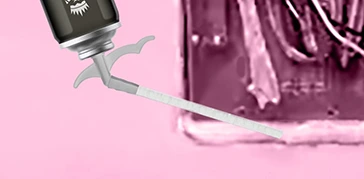
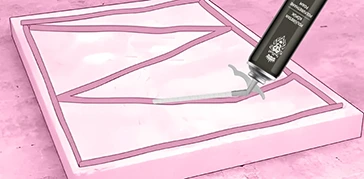
Apply the foam to the surface using a spray gun or pipette tip. During application, please note the following:
- Squeeze the foam slowly, leaving some space for expansion.
- Avoid squeezing too hard during the first application, as the foam will expand.
- Fill in the blanks evenly.
Step 4: Expansion and Hardening Time
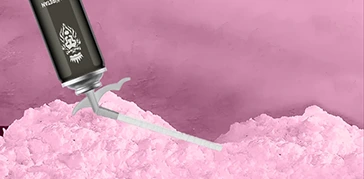
After application, the foam expands and begins to harden within a few minutes. Typically, surface hardening takes 20–30 minutes, with full curing completed within a few hours. This time may vary depending on the type of foam used and the ambient temperature.
Step 5: Remove Excess Foam
Excess or overflowing hardened foam should be trimmed away. This can easily be done with a knife or spatula. Excess foam can interfere with painting or coating processes.
Polyurethane Foam Application Tips
For a more professional and long-lasting application, some key points should be considered:
- Do a small test before applying the foam.
- Use a small amount of foam to prevent excessive expansion during application.
- If the temperature is too low, the curing time of the foam may be longer; keep the environment at a suitable temperature.
- Slightly moistening the surface can help the foam adhere better.
- When installing doors and windows, fill any gaps evenly and remove any excess foam.
Examples of Assembly and Filling with Polyurethane Foam
Foam application can be used in many areas. Examples of application areas:
- Door and window frame installation,
- Filling gaps between bricks or concrete.
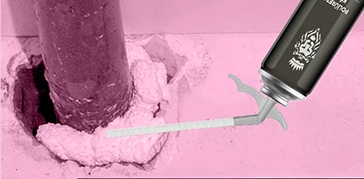
- Plumbing pipe penetrations,
- Insulation gaps under the roof,
- Sealing cracks in the wall,
- Wooden or metal mounting brackets.
These examples demonstrate the versatile uses of polyurethane foam and why it is indispensable in the construction industry.
Points to Consider When Applying Polyurethane Foam
Errors made during application can reduce the effectiveness of the foam or make application more difficult. Things to keep in mind:
- Removing dust, dirt, and oil from the surface,
- The application amount should be adjusted to match the expansion capacity.
- The use of protective equipment,
- Any excess foam that overflows after application should be cleaned immediately.
- UV protection is provided for outdoor applications.
Conclusion
Polyurethane foam application, when used with the correct steps and techniques, offers both a practical and long-lasting solution. It is an effective material in many areas, from door and window installation and gap filling to heat and sound insulation and repair work. Surface preparation, correct techniques, and safety precautions before application are critical to success.
The information in this text may vary from time to time depending on the manufacturer. Always check the product label.