What is polyurethane foam? What is it used for?
Polyurethane foam is a material used in the construction industry for filling, assembly, and insulation purposes. It expands and hardens rapidly upon application, forming a strong structure. It is frequently preferred in both professional and individual applications because it is easy to apply and has high adhesive strength. After application, the foam completely fills gaps, adheres to the surface, and provides permanent insulation.
This article explains in detail what polyurethane foam is, how it works, where it is used, and why it is so widely preferred. The aim is to answer users' questions and provide essential information for correct application.
What is polyurethane foam?
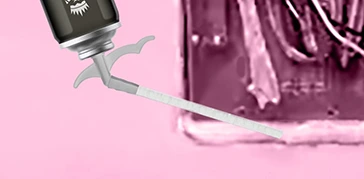
Polyurethane foam is a special filling material formed by combining single or two-component chemical substances, and it expands during application. It is usually supplied in aerosol cans and applied to the surface using a spray gun or pipette tip.
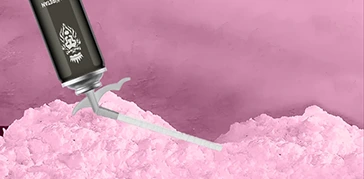
When exposed to air, its volume increases several times, filling gaps and quickly hardening to form a durable structure. Because of these properties, it is a highly practical solution for insulation, assembly work, and simple repairs.
What is polyurethane foam used for?
Polyurethane foam is a multi-purpose material. Its most common uses in the industry are filling, assembly, and insulation applications. Let's examine its areas of use in more detail below.
1. Fill in the Blanks
One of the biggest advantages of foam is its ability to spread even into the smallest gaps thanks to its expansion properties. This allows it to:
- Cracks in the wall,
- The gaps by the window,
- The holes around the door frame,
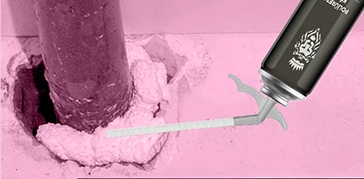
- Pipe penetration points,
- Gaps formed between the wall and the floor
It can be easily used on surfaces such as these. Once hardened, it provides high strength, offering a long-lasting solution.
2. Assembly Procedures
Polyurethane foam is frequently preferred, especially in door and window installations. It expands to firmly grip the frame, leaving no gaps and providing impact-resistant fastening.
It also adheres strongly to the surface it is applied to, increasing its resistance to external factors. Therefore, it both speeds up assembly work and provides a professional result.
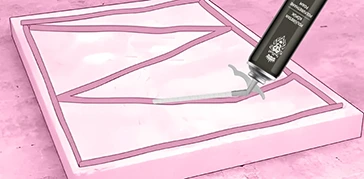
3. Thermal Insulation
It is one of the first materials that comes to mind when insulation is mentioned. The micro air gaps in the internal structure of the foam reduce heat transfer. This both increases energy efficiency and provides a more stable temperature in spaces.
It can be used for thermal insulation on the following surfaces:
- Attic spaces,
- Lack of insulation in the wall,
- Window sills,
- Air leaks around the door.
4. Sound Insulation
Polyurethane foam contributes not only to heat insulation but also to sound insulation. Because it expands and seals gaps, it reduces sound transmission. Therefore, it can be used for sound control in wall cavities, door edges, and underfloor applications.
Properties of Polyurethane Foam
There are some key features that make mousse so popular. These are:
- High adhesive strength,
- By expanding and completely filling the gaps,
- Fast curing,
- It contributes to heat and sound insulation,
- Its resistance to water,
- It can be used on a variety of surfaces.
- It is easy to implement.
These features have made it an indispensable tool for both professionals and individual users.
On which surfaces is polyurethane foam used?
When applied correctly, foam can adhere perfectly to many surfaces. Some of the surfaces it can be used on include:
- Concrete
- Brick
- Wood
- Metal
- Drywall
- Stone
- Plastic (some types)
Its adhesion capacity varies on each surface, but it is generally one of the most preferred filling solutions in the construction industry.
Choosing the Right Polyurethane Foam
The properties of foams can vary depending on their intended use. For example, some foams:
- It cures faster.
- It expands further,
- It is applied with a gun.
- It can be used at low temperatures.
Therefore, the surface to be coated and its intended use must be taken into consideration.
How to Apply Polyurethane Foam?
There are some basic steps for proper application of foam:
- The surface is cleaned and freed from dust.
- The application tube should be shaken well.
- The foam is slowly squeezed onto the surface using a pipette or spray gun.
- Some space is left for expansion.
- After hardening, excess pieces are cut away.
Following these simple steps will yield a much more efficient and healthier result.
Advantages of Polyurethane Foam
- It is easy to implement.
- It is long-lasting.
- It saves energy.
- Suitable for both professional and personal use.
- It provides effective results on many surfaces.
Disadvantages of Polyurethane Foam
- If applied incorrectly, it can cause excessive expansion.
- Once it hardens, it needs to be trimmed and shaped.
- It needs protection against UV rays.
Conclusion
Polyurethane foam is an indispensable material in the construction industry due to its many features such as practical application, strong adhesion, and heat and sound insulation. When used correctly, it provides both durability and contributes to energy efficiency. It is one of the most preferred solutions in assembly, filling, and insulation applications.
The information in this text may vary from time to time depending on the manufacturer. Always check the product label.