Door and Window Installation with Polyurethane Foam
Polyurethane foam is an indispensable material in door and window installation. It provides a secure bond by filling gaps and contributes to heat and sound insulation. When applied correctly, installation is quick, clean, and long-lasting. This article details the use of polyurethane foam in door and window installation, including key points and precautions.
Why is polyurethane foam preferred for door and window installation?
- It provides strong support by completely filling the gaps.
- It improves sound and heat insulation.
- It is applied quickly and hardens in a short time.
- It adheres to many surfaces, including wood, PVC, and metal.
- It can be cut and shaped as needed after assembly.
Preparations Required for the Assembly Process
Proper surface and casing preparation are necessary for successful installation.
- The surface must be clean, dry, and dust-free.
- The necessary supports and wedges for casing assembly must be prepared.
- The styrofoam container should be shaken well before use.
Installation Steps with Polyurethane Foam
1. Installing the Safe
The door or window frame is placed in the installation area and supported evenly. The supports prevent the frame from bending.
2. Filling in the Blanks
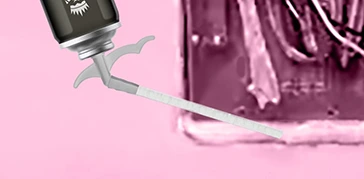
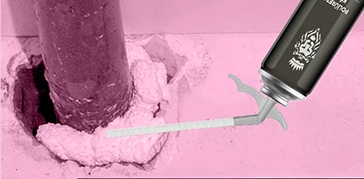
The gaps between the frame and the wall are filled with polyurethane foam applied with a gun or nozzle. The type of foam should be selected according to the width of the gap.
- Low-expansion foam is suitable for delicate assemblies.
- High-expansion foam is preferable for large spaces.
3. Expansion and Stiffening
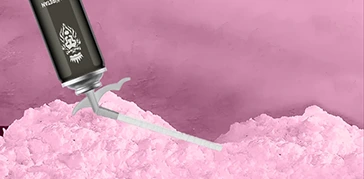
After application, the foam is allowed to expand. The case must be held steady during this process, and any excess foam should be cleaned up. Once hardening is complete, excess foam can be trimmed or sanded away.
4. Inspection and Final Touches
The frame and hinge alignments are checked. The gaps should be evenly filled, and there should be no sagging or deformation.
Points to Consider
- It is important not to over-tighten the foam and to account for expansion.
- Avoid application at low or high temperatures.
- The canister and gun should be cleaned after use.
- Foam should not be applied before the frame is secured.
- The foam should not be disturbed while it is hardening during application.
Professional Tips
- Using a foam gun allows for a more controlled and cleaner application.
- Foam dispensers with straws are preferred for small spaces or confined areas.
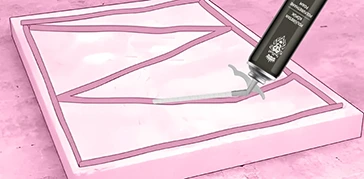
- If the gap is too large, prevent overflow by applying multiple layers.
- The ambient humidity can be slightly increased during application.
Conclusion
Installing doors and windows with polyurethane foam, when done with the correct techniques, provides a fast, clean, and durable installation. Careful surface preparation, appropriate foam selection, and curing time ensure successful results in terms of both aesthetics and functionality.
The information in this text may vary from time to time depending on the manufacturer. Always check the product label.