Professional Application Tips for Polyurethane Foam
Polyurethane foam is a highly effective material for gap filling, assembly, and insulation. However, to fully utilize its potential, it's essential to know the correct application techniques. Professional application tips will both simplify your work and ensure long-lasting and aesthetically pleasing results. In this article, we'll detail the key points to consider when applying polyurethane foam.
1. Preparation Before Application
For successful application, surface preparation is essential. A clean, dry, and dust-free surface ensures better adhesion and expansion of the foam.
- Remove dust, oil, and loose particles.
- Prevent flooding in wide gaps by using supports or wedges.
- For delicate installations, choose low-expansion foam.
2. Using the Right Equipment
Using the right equipment is crucial for professional applications. A foam gun increases control over the application and prevents spills.
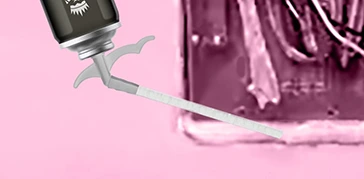
- Foam applicators with pipettes are suitable for precise filling in confined spaces.
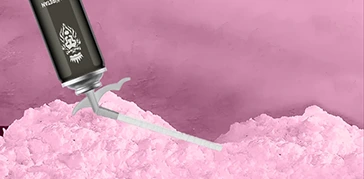
- For large spaces, opt for foam spray guns.
- Make sure to clean the foam gun properly to prevent blockages.
3. Application Technique
The performance of the foam varies depending on the application technique. It is necessary to fill the gaps evenly and to take the expansion time into account.
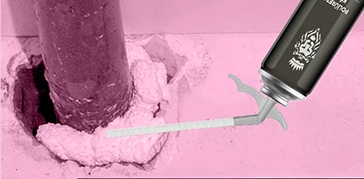
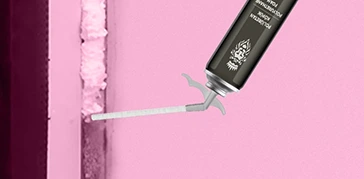
- Begin squeezing carefully, starting from the center of the gap.
- Prevent spills by applying it in layers.
- Do not intervene before the erection is complete.
- For large gaps, apply the treatment in two stages, allowing each layer to sit.
4. Hardening and Final Touches
Once application is complete, allow the foam to harden. Removing any excess or overflowing foam and smoothing the surface is important for both aesthetic and functional reasons.
- Trim or sand away any excess foam.
- Make sure the filler covers the entire cavity.
- Strengthen the insulation by applying a second coat if necessary.
5. Tips for Improving Insulation Performance
Polyurethane foam not only provides filling but also offers heat and sound insulation. Some additional steps can be taken to further enhance this performance.
- Lightly moisten the space to help the foam expand.
- Monitor the ambient temperature and humidity levels during application.
- Prevent deformation by applying precision in confined spaces.
6. Security Measures
In professional practice, safety is always a priority. Precautions must be taken to protect the skin, eyes, and respiratory tract.
- Provide hand, eye, and respiratory protection.
- Provide ventilation in enclosed spaces.
- Avoid contact with unhardened foam and immediately wipe away any excess foam.
Conclusion
Professional application of polyurethane foam is possible with proper surface preparation, the use of appropriate equipment, and controlled application techniques. By paying attention to these tips, both aesthetically pleasing and durable filling and insulation can be achieved. Attention to small details improves the quality and longevity of the application.
The information in this text may vary from time to time depending on the manufacturer. Always check the product label.