Types and Properties of Polyurethane Foam
Polyurethane foam is one of the most preferred filling and insulation materials in the construction industry. Many varieties are available on the market to suit different surfaces, climates, and application needs. Therefore, knowing the right type of foam improves application quality and ensures a long-lasting result. In this article, we explain in detail the most commonly used types of polyurethane foam in the industry, their working principles, and when they should be preferred.
What are the different types of polyurethane foam?
Polyurethane foams are generally divided into two main groups: single-component and two-component, each with different advantages. In addition, there are subtypes designed for specific purposes such as fire resistance, rapid curing, low expansion, or professional gun application. Let's examine these types in detail below.
1. Single-Component Polyurethane Foam
This is the most commonly used type of foam. The material inside the can expands and cures upon contact with moisture in the air. These foams are generally preferred for filling, assembly, and insulation applications.
- It is very easy to implement.
- It expands rapidly and fills gaps quickly.
- It is commonly used in door, window, wall, and roof applications.
- It can be easily used by both professionals and hobbyists.
2. Two-Component Polyurethane Foam
This type of foam contains two different components within the container, and rapid hardening occurs through a chemical reaction during application. It requires no moisture and gains strength very quickly.
- It is used in projects requiring rapid curing.
- It is frequently preferred in professional settings.
- It offers high durability due to the rigid and dense structure it forms.
- It is commonly used in insulation applications covering large surfaces.
3. Low Expansion Polyurethane Foam
Thanks to its low expansion property, it is used especially in delicate assembly jobs. Because it eliminates the risk of deformation in door and window frames, it is among the top choices of assembly professionals.
- It is safe on delicate surfaces.
- The case does not bend or compress.
- It is an ideal solution for professional installation jobs.
4. High Expansion Polyurethane Foam
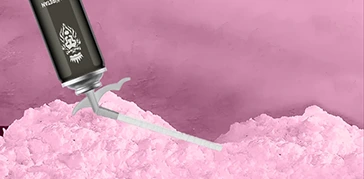
It is preferred in applications where large gaps need to be filled. It has a high expansion rate and can cover large volumes after application.
- It is effective for filling large voids and holes.
- It provides excellent heat and sound insulation.
- It can be easily used on concrete, brick, and wood surfaces.
5. Fire-Resistant Polyurethane Foam
It is a special type of foam that can withstand certain types of fire, sparks, or high temperatures. It contains flame-retardant additives.
- It is used in areas requiring fire safety.
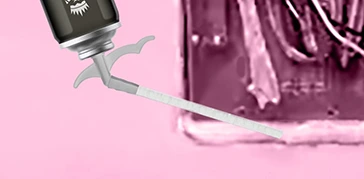
- It is frequently preferred in electrical panels, cable trays, and metal surfaces.
- It offers solutions that comply with fire regulations in buildings.
6. Fast-Curing Polyurethane Foam
This is a specially formulated foam that hardens quickly, speeding up the application process. It is commonly used in time-sensitive jobs.
- It hardens within a few minutes.
- It saves time in professional work.
- Ideal for emergency fitting and filling operations.
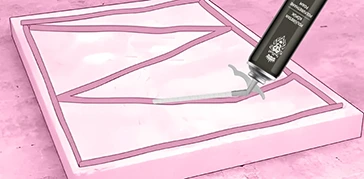
7. Polyurethane Foam with Spray Gun
This type of foam, used with a professional spray gun, offers controlled application possibilities. It allows for finer dosing and has a lower waste rate.
- It ensures cleaner and more organized workmanship.
- The amount of foam is precisely adjusted using the gun.
- Preferred by expert users.
8. Polyurethane Foam with Pipette
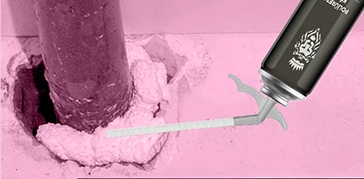
Ideal for home or minor repairs. Thanks to the included pipette attachment, no additional equipment is needed.
- It offers quick and practical solutions.
- It is suitable for minor repairs and filling jobs.
- It's easy for new users.
Which type of polyurethane foam should be preferred?
Each type of foam is manufactured for a different need. Therefore, when making a selection, the application area, surface structure, gap width, and installation precision must be taken into account.
For small spaces: Low-expansion foams are a better choice.
For large spaces: High-expansion foams are preferred.
Door and window installation: Foams with low expansion and elastic properties are ideal.
Areas requiring fire safety: Flame-retardant foams must be used.
Professional applications: Foam gun provides better control.
Conclusion
Polyurethane foam types are offered in a very wide range depending on their application areas. Since each foam type has its own unique advantages, making the right choice improves both the quality of the work and the durability of the application. Knowing which foam is suitable for which application is of great importance for both installation professionals and individual users.
The information in this text may vary from time to time depending on the manufacturer. Always check the product label.